Performance anxiety is one of the most common — and most under-discussed — contributors to erectile difficulty in men, including men with no underlying physical cause at all. Understanding how the anxiety-ED cycle actually works is often the first step toward breaking it.
How Common Is This, Really?
Performance anxiety-related erectile difficulty is far more common than most men assume, and it isn't limited to younger or inexperienced men — it can affect men at any age and any relationship stage, including men who have never had any physical difficulty before. Research on psychogenic erectile dysfunction (ED with a primarily psychological rather than physical origin) suggests it accounts for a meaningful share of ED cases in younger men specifically, though anxiety can also worsen or compound cases that do have a physical component.
The Physiology of Why Anxiety Interferes
Erections depend on the parasympathetic nervous system — the "rest and digest" branch responsible for relaxation and blood flow to the pelvic region. Anxiety activates the opposite system: the sympathetic "fight or flight" response, which redirects blood flow away from non-essential functions (including sexual arousal) and toward large muscle groups in preparation for a perceived threat. When anxiety is present, especially in the moment, this sympathetic activation can directly and immediately interfere with the physical mechanics of achieving or maintaining an erection — regardless of desire or attraction.
The Feedback Loop That Makes It Worse
This is the part that makes performance anxiety particularly stubborn: a single difficult experience often creates anticipatory anxiety about the next encounter, which increases sympathetic activation during that next encounter, which increases the likelihood of another difficult experience — reinforcing the cycle. Many men describe this as the anxiety itself becoming the primary problem, even after any original triggering factor (stress, fatigue, alcohol, a new partner) has resolved. Clinicians sometimes refer to this self-reinforcing pattern as the single most common way that an isolated, situational instance of erectile difficulty turns into a recurring pattern.
Common Triggers Beyond the Bedroom Itself
Performance anxiety doesn't always originate from sexual concerns directly — it's frequently downstream of broader life stress: financial pressure, relationship tension, job insecurity, or general anxiety and depression can all lower the threshold at which performance anxiety shows up. New relationships, a long gap since the last sexual encounter, or even simply overthinking during the moment itself are also common, specific triggers.
Breaking the Cycle: What Actually Helps
Naming It Reduces Its Power
One of the most consistently cited first steps in clinical guidance is simply recognizing and naming performance anxiety as the specific issue, rather than assuming a purely physical cause. This matters practically because it changes the appropriate response — the treatment approach for anxiety-driven difficulty is different from a primarily vascular or hormonal cause.
Reducing the Pressure of "Performance"
Sex therapists frequently recommend deliberately reducing performance pressure in the short term — for example, agreeing with a partner to focus on non-penetrative intimacy for a period, which removes the specific outcome being anxiously anticipated and can help interrupt the feedback loop.
Open Communication With a Partner
Research on couples navigating performance anxiety consistently finds that open communication reduces both the anxiety itself and its negative impact on the relationship. Partners who understand what's happening tend to respond with patience rather than the perceived judgment that often fuels the anxiety further.
Addressing Underlying Stress and Anxiety
Because performance anxiety is often a specific manifestation of broader anxiety or stress, addressing that underlying pattern — through stress management techniques, therapy, or in some cases treatment for a broader anxiety disorder — frequently improves the sexual-specific symptom as a downstream effect.
Professional Support
For persistent cases, a sex therapist or counselor who specializes in this specific issue can be particularly effective, since psychogenic ED responds well to targeted psychological approaches like cognitive behavioral therapy, which is specifically designed to interrupt exactly the anticipatory-anxiety feedback loop described above.
When to Also Consider a Physical Evaluation
It's worth being clear that performance anxiety and physical causes of ED aren't mutually exclusive, and they frequently overlap or compound each other. If erectile difficulty is persistent, happens in every context (not just anxiety-provoking ones, like with a new partner), or is accompanied by other symptoms, a medical evaluation is a reasonable first step to rule out or identify a physical contributing factor alongside any psychological one.
The Bottom Line
Performance anxiety is a genuine, physiologically real contributor to erectile difficulty — not "just in your head" in a dismissive sense, but a real nervous-system response that directly interferes with the body's ability to achieve an erection. The encouraging part is that, unlike some causes of ED, the anxiety-driven feedback loop is well understood and responds well to targeted approaches: naming it, reducing performance pressure, open communication, and addressing underlying stress all have real evidence behind them.
Supporting Your Body Through Daily Nutrition
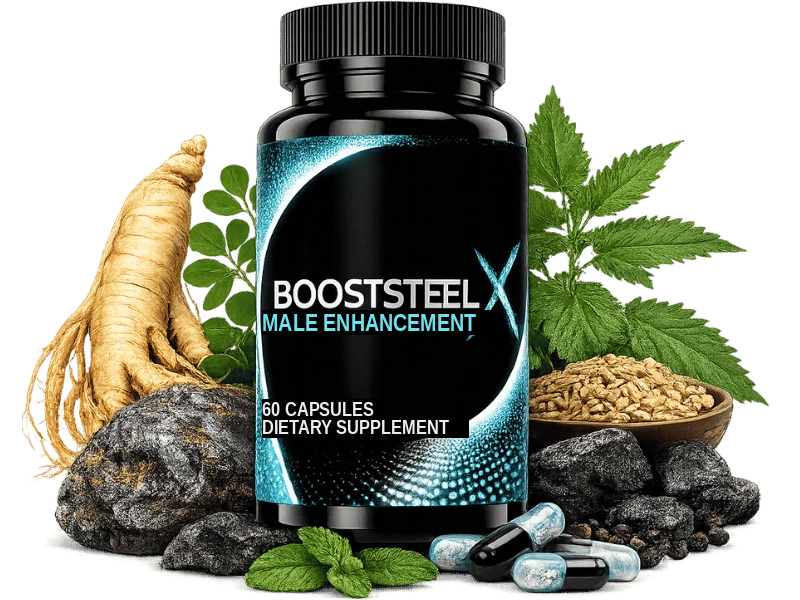
Alongside addressing the psychological side, daily nutritional support for stress resilience, energy and healthy circulation is one of the more practical, evidence-aligned steps available. BoostSteelX's formula includes Ashwagandha, a studied adaptogen for everyday stress support, alongside nine other ingredients. See the full list on our Scientific References page.
See the Full BoostSteelX Formula
Including Ashwagandha for everyday stress support, among 10 researched ingredients.
🛒 See Current PricingThis article is for general educational purposes and is not medical advice. If anxiety or stress is significantly affecting your daily life, consider speaking with a licensed mental health professional. Sources: Johns Hopkins Medicine, PubMed — Psychogenic Erectile Dysfunction.
← Back to All Articles