Smoking's effects on the lungs and heart are well known — but its effects on male sexual health are just as significant, and often show up years before more visible cardiovascular symptoms do. Here's what the research shows about smoking, circulation, and male performance.
The Vascular Connection
Erectile function depends almost entirely on healthy blood vessels — an erection is fundamentally a vascular event, requiring the penile arteries to dilate and fill with blood on demand. This makes erectile tissue unusually sensitive to any factor that damages blood vessel function, and cigarette smoking is one of the most well-established vascular risk factors in existence.
Smoking damages the endothelium — the thin layer of cells lining every blood vessel in the body — and impairs its ability to produce nitric oxide, the signaling molecule directly responsible for the vessel dilation an erection requires. Because the blood vessels supplying erectile tissue are smaller in diameter than those feeding other organs, they tend to show the effects of vascular damage earlier and more noticeably — which is part of why erectile dysfunction is sometimes described by researchers as an early warning sign for broader cardiovascular disease in smokers.
What the Research Shows
Multiple large studies have found a clear, dose-dependent relationship between smoking and erectile dysfunction: men who smoke have a meaningfully higher rate of ED than non-smokers, and the risk increases with both the number of cigarettes smoked daily and the number of years spent smoking. Some research has estimated that smoking increases the relative risk of erectile dysfunction by a substantial margin compared to never-smokers, independent of age and other cardiovascular risk factors.
The relationship holds even in younger men — smoking-related erectile difficulty isn't limited to older smokers with established cardiovascular disease. Research has documented measurably reduced penile blood flow in young, otherwise healthy smokers compared to non-smoking peers, suggesting the vascular damage begins well before it becomes clinically obvious elsewhere in the body.
Beyond Erectile Function
Smoking's effects on male reproductive and sexual health extend beyond erectile function alone. Research has also linked smoking to reduced sperm count and motility, and some studies have found associations between smoking and modestly lower testosterone levels, though this particular link is less consistently established than the erectile-function research.
The Encouraging Part: Quitting Helps, and Sometimes Quickly
This is genuinely good news: unlike some causes of vascular damage, smoking-related endothelial dysfunction shows meaningful signs of reversal after quitting. Research following men who quit smoking has found measurable improvement in erectile function within months of cessation, with continued improvement over the following year as vascular health continues to recover. The degree of recovery does appear to depend on how long and how heavily someone smoked beforehand — men who quit after a shorter smoking history tend to see more complete recovery — but improvement has been documented even in longer-term smokers.
One frequently cited pattern in the research: men who quit smoking report improved erectile function at a meaningfully higher rate than those who continue smoking, even over relatively short follow-up periods, making smoking cessation one of the more directly actionable, evidence-backed steps available for men concerned about erectile health.
Secondhand Smoke and Vaping
While most research has focused on traditional cigarette smoking, the underlying mechanism — nicotine and combustion byproducts damaging vascular endothelial function — is a reasonable basis for caution around heavy secondhand smoke exposure and vaping as well, though the specific erectile-function research base for vaping in particular is still much smaller and less established than for traditional cigarettes.
The Bottom Line
Smoking has one of the clearest, most consistently documented negative relationships with male sexual health of any common lifestyle factor, operating primarily through direct damage to the blood vessels that erectile function depends on. The genuinely encouraging counterpoint is that this particular form of damage responds well to quitting — vascular recovery, and measurable improvement in erectile function, has been documented within months of cessation in multiple studies.
Supporting Your Body Through Daily Nutrition
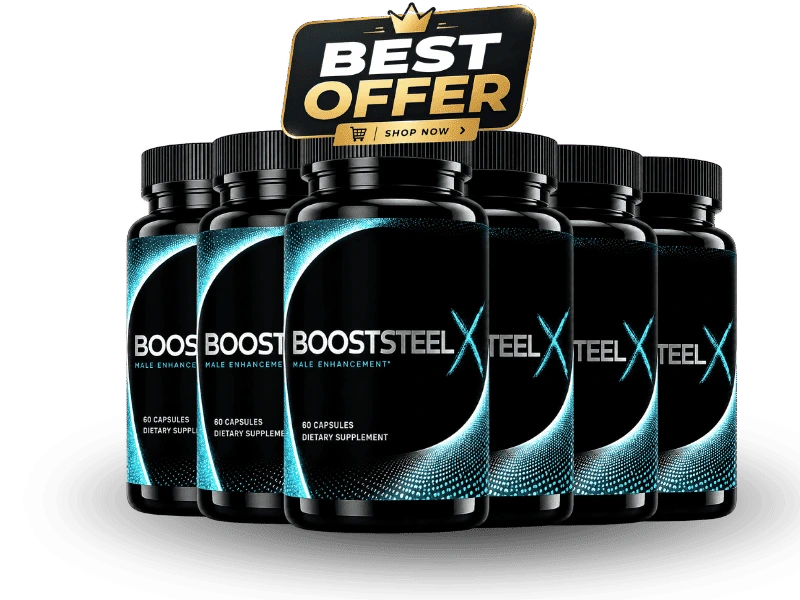
Alongside quitting smoking, daily nutritional support for healthy circulation is one of the more practical, evidence-aligned steps available. BoostSteelX includes L-Arginine and L-Citrulline, two amino acids that support the body's own nitric oxide production, alongside eight other researched ingredients. See the full list on our Scientific References page.
See the Full BoostSteelX Formula
Including L-Arginine & L-Citrulline for circulation support, among 10 researched ingredients.
🛒 See Current PricingThis article is for general educational purposes and is not medical advice. If you're looking to quit smoking, resources like 1-800-QUIT-NOW are available for free support. Sources: PubMed — Smoking and Erectile Dysfunction, Johns Hopkins Medicine.
← Back to All Articles